

The Longevity Score That Matters More Than Your Biological Age
Every few weeks, a new longevity test seems to appear.

A blood test.
A biological age score.
A dashboard promising to reveal how well you’re aging.
And I’ll admit it.
As someone fascinated by prevention and longevity, I understand the appeal.
Who wouldn’t want to know if they’re aging well?
But here’s what I keep coming back to:
What if we’re measuring the wrong thing?
Because while everyone is chasing a longevity score, researchers continue to find something surprisingly simple:
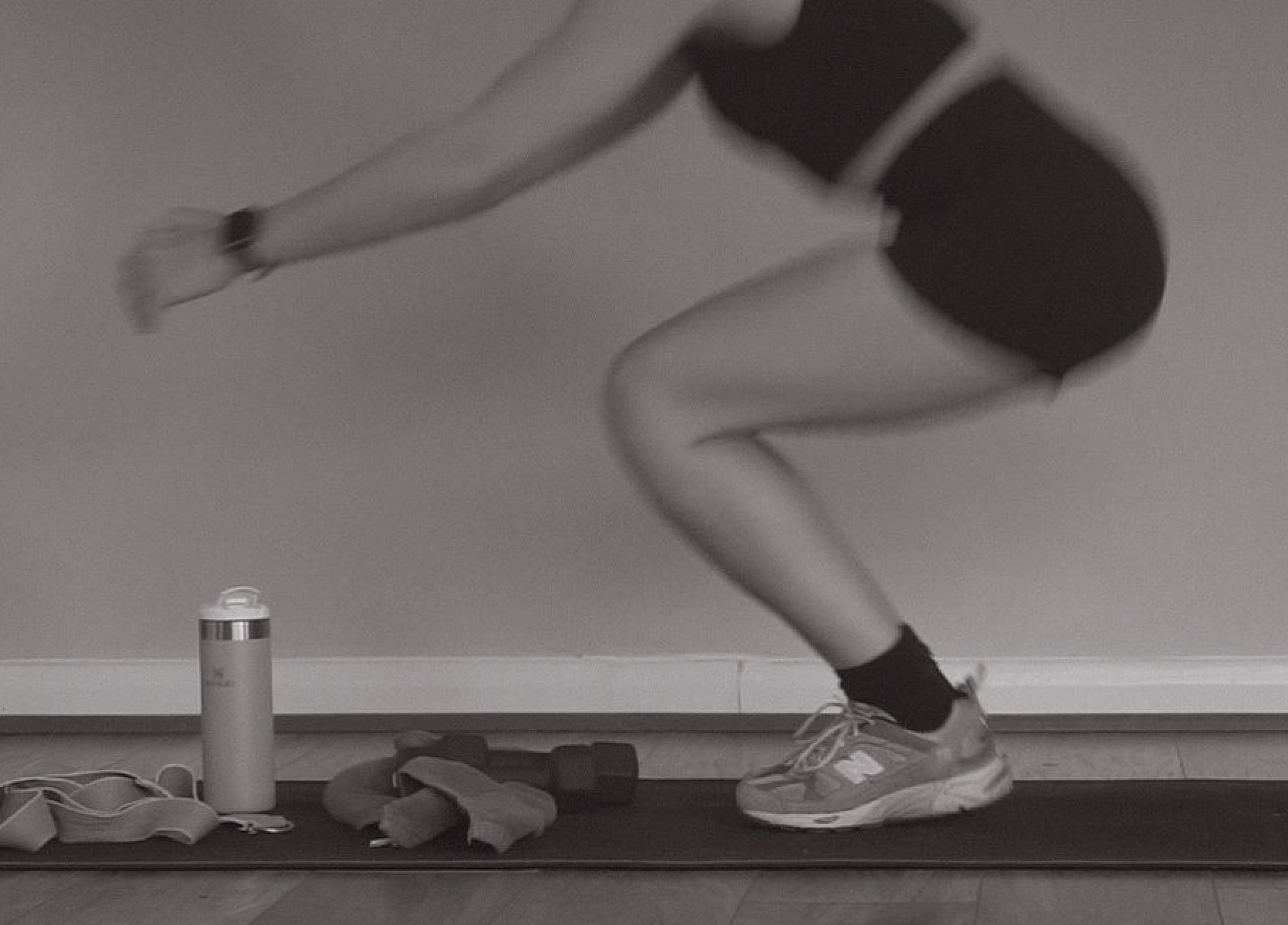
Women who maintain strength and fitness in midlife tend to live longer, healthier lives. Strength appears to be one of the strongest predictors of healthy aging, and midlife fitness is associated with both a longer lifespan and a longer healthspan.
Not your app.
Not your wearable.
Not your biological age report.
Your ability to carry groceries.
Climb stairs.
Get off the floor.
Lift weights.
Move your body consistently.
The truth is that longevity isn’t built during a health assessment.
It’s built on ordinary Tuesdays.
A walk after dinner.
A strength-training session you didn’t feel like doing.
Going to bed on time.
Eating protein.
Doing the boring things often enough that they become who you are.
Technology can help us measure progress.
But it can’t do the push-up.
It can’t take the walk.
It can’t build the muscle.
And muscle, increasingly, looks like one of the best investments we can make for the future version of ourselves.
Bottom line
If you’re wondering whether you’re aging well, start here:
Can you carry your own luggage?
Can you get up from the floor without assistance?
Can you walk up a hill without feeling defeated?
Before you worry about your biological age, make sure you’re protecting your physical age.
Your future self is counting on it.
🤍 Renée