

What If Nature Has Been Quietly Telling Us What to Eat All Along?
Walk through a farmers market in the middle of summer and you’ll notice something.

The tables are overflowing with watermelon, tomatoes, blueberries, peaches, cucumbers, zucchini, and sweet corn.
None of these foods are trending because a wellness influencer declared them the next superfood.
They’re simply in season.
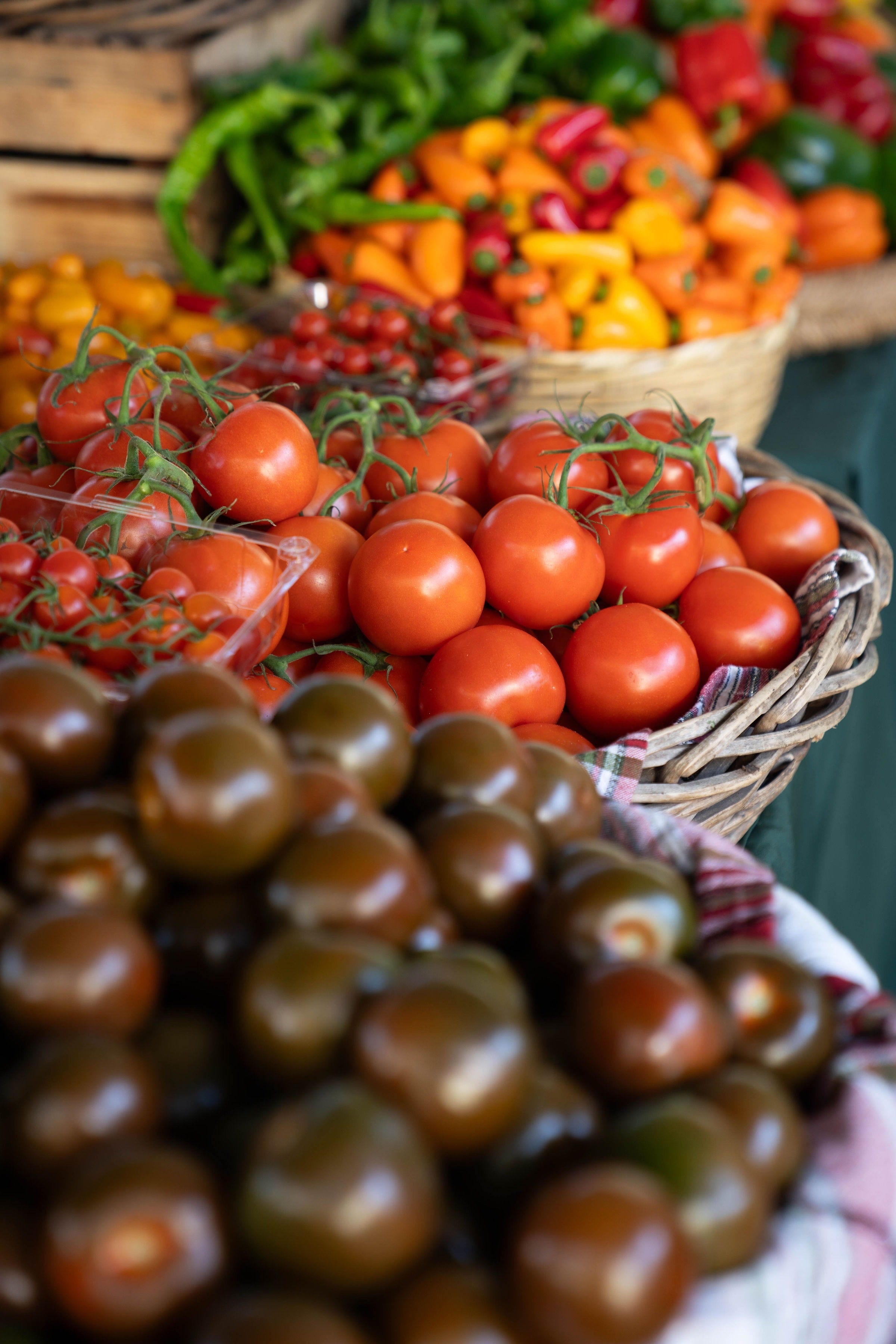
For most of human history, eating seasonally wasn’t a lifestyle choice. It was simply how people ate. Before refrigerated trucks and global supply chains, our diets naturally changed with the seasons.
Today, we can buy strawberries in December and pumpkins in April. That’s convenient, but it also means we’ve lost some of our connection to the rhythm of seasonal eating.
While eating in season isn’t a magic formula for perfect health, there are good reasons to make it part of your routine.
Produce harvested closer to peak ripeness often tastes better and may retain more nutrients than produce picked early and transported long distances. Seasonal eating also encourages dietary variety, which helps us consume a wider range of vitamins, minerals, fiber, and beneficial plant compounds throughout the year.
This summer, here are seven foods worth adding to your plate.
🍉 Watermelon
Watermelon is about 92% water, making it one of the most hydrating foods you can eat during hot weather.
It’s also one of the richest dietary sources of lycopene, a powerful antioxidant that has been associated with cardiovascular health and protection against oxidative stress.
Sometimes the simplest way to stay hydrated isn’t another electrolyte packet. It’s eating more water-rich foods.
🫐 Blueberries
Blueberries are tiny, but they’re packed with nutrition.
They’re rich in fiber, vitamin C, and anthocyanins—the compounds responsible for their deep blue color. These antioxidants have been extensively studied for their role in supporting healthy aging, cognitive function, and cardiovascular health.
Fresh summer blueberries also happen to taste significantly better than the ones that travel thousands of miles.
🍅 Tomatoes
Tomatoes deserve far more attention than they receive.
They’re one of the best sources of lycopene, an antioxidant linked to heart health and healthy aging. Interestingly, lycopene becomes more available to your body when tomatoes are cooked with a little healthy fat, such as olive oil.
One of the healthiest meals of summer can be remarkably simple: sliced tomatoes, olive oil, basil, and a pinch of sea salt.
🥒 Cucumbers
Cucumbers are refreshing for a reason.
Their high water content makes them an excellent addition to salads, sandwiches, and summer snacks. They’re also low in calories while adding volume and crunch to meals.
Sometimes healthy eating isn’t about adding more. It’s about making the healthy choice the easy choice.
🌽 Sweet Corn
Corn often gets an unfair reputation.
Fresh summer sweet corn is a whole grain that’s naturally rich in fiber and contains lutein and zeaxanthin, two carotenoids that support eye health.
Grilled corn on the cob isn’t something to feel guilty about. It’s one of summer’s best seasonal foods.
🍑 Peaches
A perfectly ripe peach is difficult to beat.
Peaches provide vitamin C, potassium, and a variety of polyphenols that help protect our cells from oxidative stress.
There’s a reason they taste best right now. They were meant to.
🥒 Zucchini
Zucchini is one of the most versatile vegetables of the season.
Roast it, grill it, sauté it, add it to pasta, soups, or salads. It’s an easy way to increase fiber, potassium, and vitamin A without overthinking healthy eating.
Sometimes consistency matters more than complexity.
A Different Way to Think About Wellness
The wellness industry often convinces us that better health requires another supplement, another powder, or another expensive product.
Sometimes that’s true.
But often, better health starts with something much simpler.
A walk after dinner.
A good night’s sleep.
Sharing a meal with people you love.
And choosing the foods that are naturally abundant this time of year.
Nature quietly changes the menu every few months.
Maybe there’s wisdom in paying attention.
References
U.S. Department of Agriculture FoodData Central
Harvard T.H. Chan School of Public Health
Academy of Nutrition and Dietetics
American Heart Association
National Institutes of Health Office of Dietary Supplements